Complete texts, never excerpts
All twenty-three works are the full text — every chapter, every letter, every epilogue. War and Peace is all 365 chapters, both epilogues included; Anna Karenina all 239.
Dostoevsky · Tolstoy · Chekhov · Gogol · Pushkin · Turgenev
Nireska is a quiet reading app built for one shelf of world literature and nothing else. Verified public-domain translations, a character map that finally makes Russian names navigable, narration recorded in a real studio voice, and books that keep working when the signal doesn't.
Opens in any browser — Android, iPhone, tablet, desktop. Install it to your home screen if you want; there is no store to visit and nothing to download first.
Fyodor Dostoevsky
Notes from Underground
What Nireska is
Every general-purpose reading app has the same problem with the Russians: they hand you a badly typeset scan with no translator named, forty characters who each answer to four names, and no idea where to start. Nireska was built for exactly that shelf. The catalogue is small on purpose — six authors, twenty-three complete works — and every one of them was checked by hand: the source edition, the translator, the chapter breaks, the nicknames.
There is no store to browse, no cart, no recommendation engine trying to sell you a thriller. You open nireska.com, answer two questions about how you like to read, and the app puts a first book in your hands.
Inside the app
Dark parchment, a gold rule, and the text. Everything else gets out of the way.
Everything it does
Nothing here is a generic e-reader feature wearing a Russian coat. Each of these exists because these particular novels needed it.
All twenty-three works are the full text — every chapter, every letter, every epilogue. War and Peace is all 365 chapters, both epilogues included; Anna Karenina all 239.
Russian novels give one person a first name, a patronymic, a surname and three diminutives. Search any of them. Shared surnames return the whole family, not one cousin.
Over ten hours of the free books are pre-recorded in a studio-grade neural voice — warm, properly paced, with breath between sentences. It is not the flat, mechanical read-aloud your phone falls back on. Five speeds, and pausing keeps your place to the second, not the top of the page. Recording continues across the rest of the shelf.
Open a book once and it stays on your device, or download it deliberately. The app then checks that the file really landed in the cache — no empty promises at 30,000 feet.
Constance Garnett, Louise and Aylmer Maude, C. J. Hogarth, Eva Martin, Isabel Hapgood. Each one verified in the header of the source file — because which translation you read changes the book.
A short life map for each writer — the mock execution, the Siberian camp, the duel at thirty-seven — so the novel arrives with its century attached.
Pushkin at the centre, everyone else radiating out. Fourteen documented connections between the six authors, each described from both sides.
Reading position, type size, page theme and narration speed all survive closing the app. Reopen it tomorrow and the book is already open.
A gold dot on the bell when something joins the shelf. No email list, no push notification, no account — the app simply notices.
Why not just use a Kindle
Kindle, Kobo and Google Play Books are excellent at what they are: shops with millions of titles. That is precisely why the free public-domain Russian editions in them are so often unreadable — nobody is responsible for any one of them. Nireska is responsible for twenty-three.
| Reading the classics | Nireska | A general e-reader store |
|---|---|---|
| Getting to page one | Open a link. No app store, no account, no download before you can read the first sentence. | Install an app, create an account, sign in, find the title in a catalogue of millions, send it to a device. |
| Which translation you get | Named on every book and verified against the source file. Anomalies are documented, not hidden. | Free editions frequently list no translator at all, or silently mix editions between chapters. |
| Keeping the names straight | A character map on every work, searchable by nickname, with 298 people described. Always there. | X-Ray-style features exist only on some titles, on some devices, and rarely on free public-domain files. |
| Text quality | Every file was parsed by hand: chapter breaks, epistolary letters as letters, source italics restored. | Automatic conversions of scanned books, with run-together chapters and OCR debris left in place. |
| What you are shown | Six authors, curated. The home screen is a shelf, not a storefront. | A recommendation engine whose job is to sell you the next thing, forever. |
| Listening | Studio-grade narration recorded ahead of time, included in the price — not a separate audiobook to buy. Speed control, and it resumes where you stopped. | Audiobooks are sold separately, often for more than this whole library costs. The free alternative is your device's own text-to-speech: flat, mechanical, and it forgets its place. |
| Devices | The same URL on Android, iPhone, tablet and desktop. Install to the home screen if you like. No hardware to buy. | Best experience assumes their hardware, their app, their ecosystem. |
| Lock-in | Public-domain texts, no DRM, no proprietary format, nothing that stops working if you walk away. | A library that lives inside one account, in one format, on one company's terms. |
| Context around the book | Author timelines, literary lineage, real reading times measured from the text itself. | A cover, a blurb, and a star rating. |
Nireska is not trying to replace your e-reader for everything you read. It is trying to be the best place in the world to read these particular books.
The shelf
They knew each other, reviewed each other, quarrelled with each other and buried each other. Nireska keeps them together, with the connections between them made explicit.
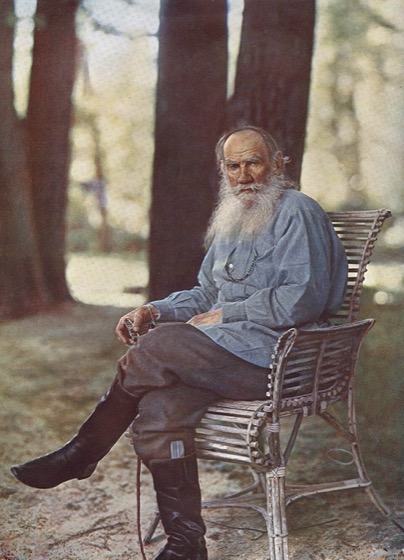
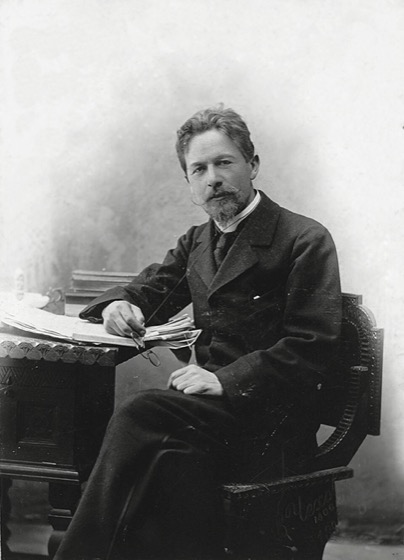
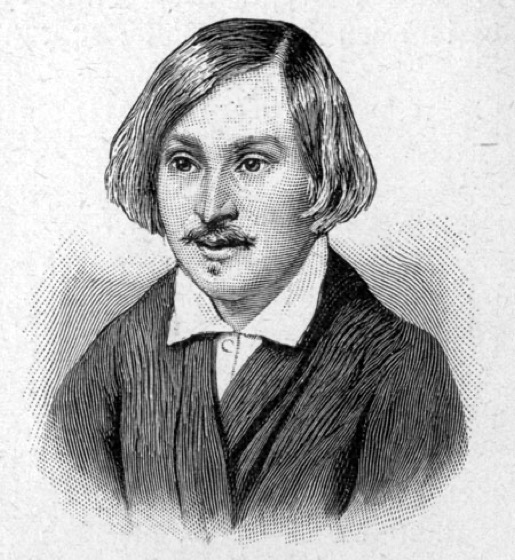
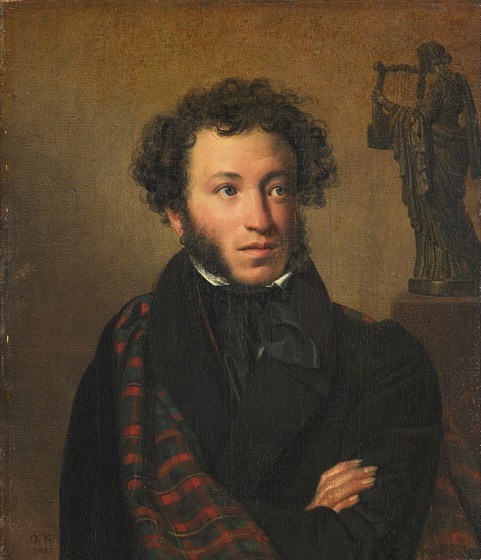
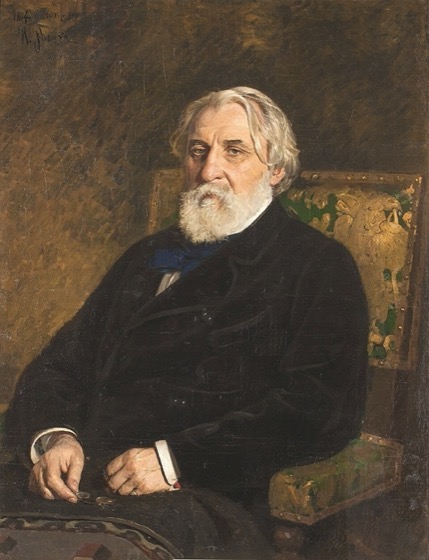
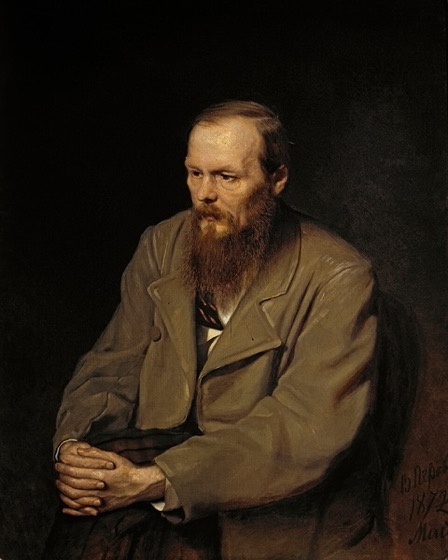
Portraits are in the public domain, via Wikimedia Commons: Perov (Dostoevsky, 1872), Prokudin-Gorsky (Tolstoy, 1908), Kiprensky (Pushkin, 1827), Repin (Turgenev), and period photography and engraving for Chekhov and Gogol.
The catalogue
Twenty-three complete works, 1,083 chapters, roughly 190 hours of reading. Reading times are measured from the real word count of each text, not guessed from a page count.
What comes next
The library is added to over time, and everyone who has unlocked it gets every future addition at no extra cost. These are the writers and works in the public domain being prepared and considered for Nireska — the same treatment as everything already on the shelf: a verified translation, a hand-checked text, a character map.
Candidates, not promises — a work joins the catalogue only once a public-domain translation has been verified and the text checked line by line. When one lands, the bell in the app tells you.
Questions
A reading app for Russian literature in the public domain — Dostoevsky, Tolstoy, Chekhov, Gogol, Pushkin and Turgenev — with a reader built for these particular books. It runs at nireska.com in any modern browser and can be installed to your home screen like an app.
No. Open nireska.com and start reading. There is no app store step, no sign-up form and no email required to get to page one. If you want it to behave like an installed app — its own icon, full screen, working offline — your browser's “Add to Home Screen” does that in one tap.
Android phones and tablets, iPhone and iPad, and any desktop browser. It is the same URL and the same reading position handling everywhere. There is no dedicated hardware to buy.
Yes. Every work is the complete text of a translation that has entered the public domain, set from the published edition rather than from a scan. The translator is named on every book and was verified on the source edition itself rather than assumed — which is why The Idiot is credited to Eva Martin and not, as most people expect, to Constance Garnett. We also record the year each translator died, because that is what puts a translation in the public domain.
Yes. A book stays available on your device after you open it once, and you can also download one deliberately before a flight. The app verifies that the file actually reached the cache before it tells you it is downloaded.
The books are the same because the copyright status is the same — the difference is everything around them. Free public-domain editions in large stores routinely arrive with no translator credited, broken chapter divisions and OCR errors, and with no help whatsoever for the two things that actually make Russian novels hard: the names and the context. Nireska names the translator, fixes the text by hand, and gives every book a searchable character map, an author timeline and a map of literary influence.
Start with something short. Chekhov's The Lady with the Dog is thirty minutes, Pushkin's The Queen of Spades is forty-three, and Tolstoy's The Death of Ivan Ilyich is under two hours and hits harder than most novels five times its length. All three are free, and each is a different door into the same shelf.
Some works are open to everyone from the first tap, one for each author, so you can read a complete book before deciding anything. The rest of the library unlocks inside the app — including every work added in the future.
It has narration on every work, and on a growing part of the shelf it is not a robot voice. Over ten hours — all six free books so far — are pre-recorded in a studio-grade neural voice, with real pacing and breath between sentences, and recording continues across the rest of the library. Where a recording does not exist yet, the reader falls back to your device’s own voice so the feature never simply disappears. Either way you get five speeds, and pausing keeps your place, so resuming does not restart the chapter.
Yes, and unlocking the library once covers everything added later at no extra cost. The app shows a marker on the bell when something new arrives — no account or mailing list involved.
Start tonight
Twenty-two complete works, six writers, one very quiet reader. Nothing to install, nothing to sign up for, nothing between you and the first sentence.
Open Nireska at nireska.com